
Showing 4 of 4 articles
Others
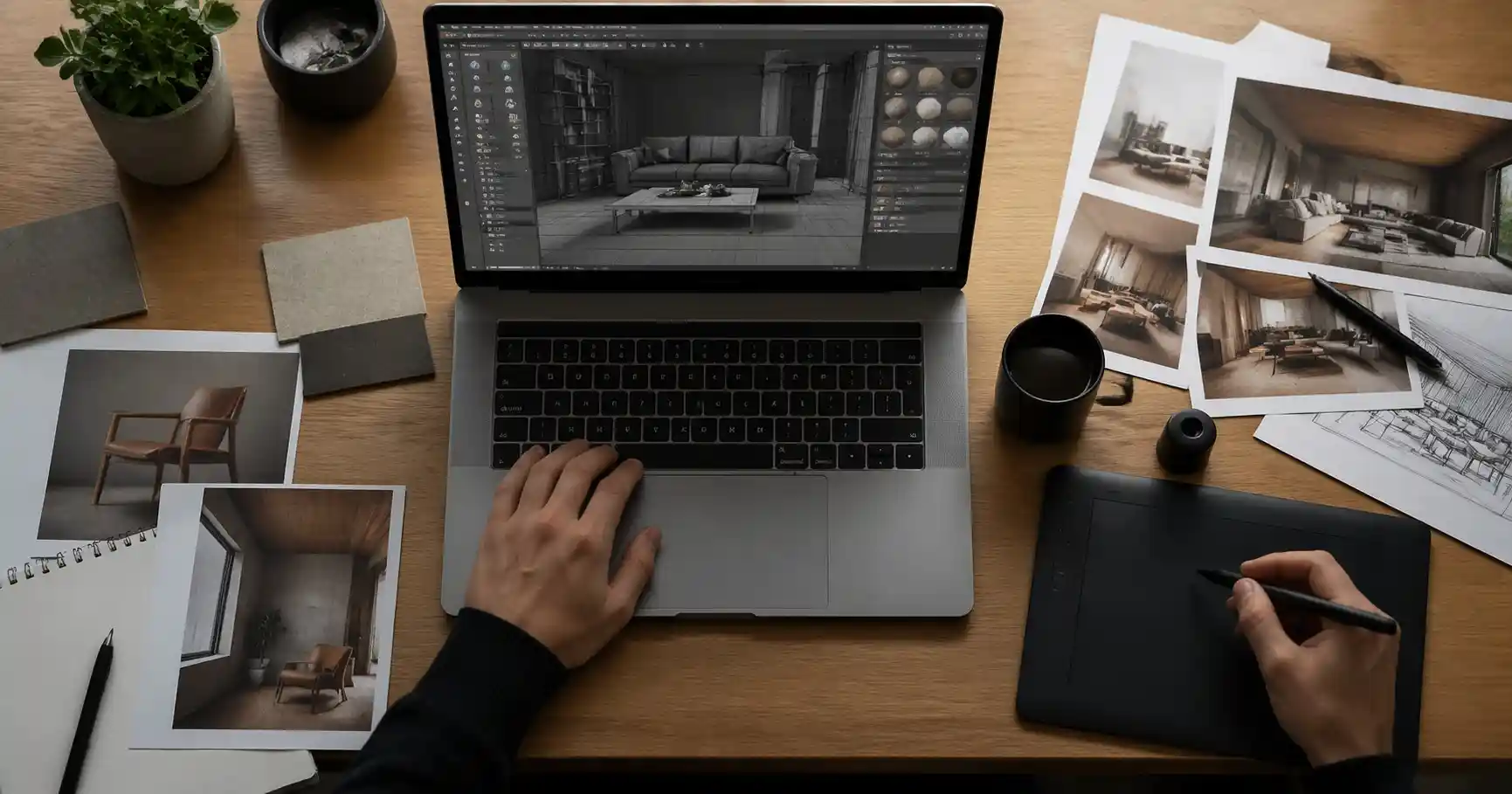
Best Free 3D Models Websites for Designers in 2026
Finding reliable sources for free 3D models is crucial for designers working under tight deadlines and budgets. This article reviews the top websites offering free and paid 3D assets in 2026, with selection criteria, workflow tips, and a look at how platforms like Relebook fit into a modern visualization pipeline. Written for 3D artists, architects, interior designers, and product visualizers using Blender, 3ds Max, and other tools.
Others
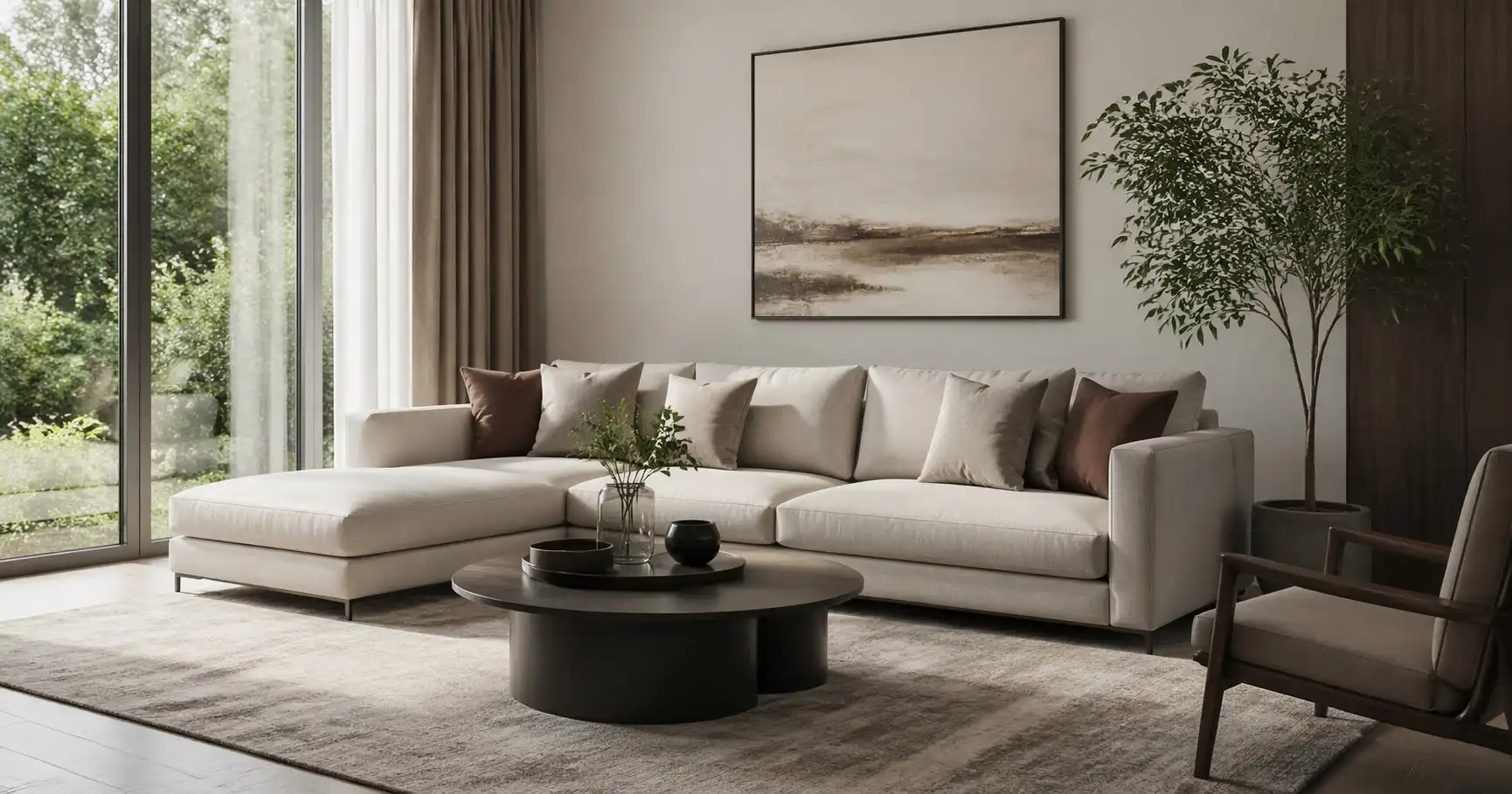
Best Interior Design 3D Models for Realistic Rendering
This article explores key factors for selecting interior design 3D models that deliver realistic renders: polygon efficiency, clean topology, high-resolution textures, and file format compatibility. It covers essential asset categories—furniture, lighting, architectural details—and offers practical workflow advice for integrating models into scenes. Platforms like Relebook provide curated collections of 3D models, textures, and HDRI to support visualization projects. Tips on lighting, material s
Others
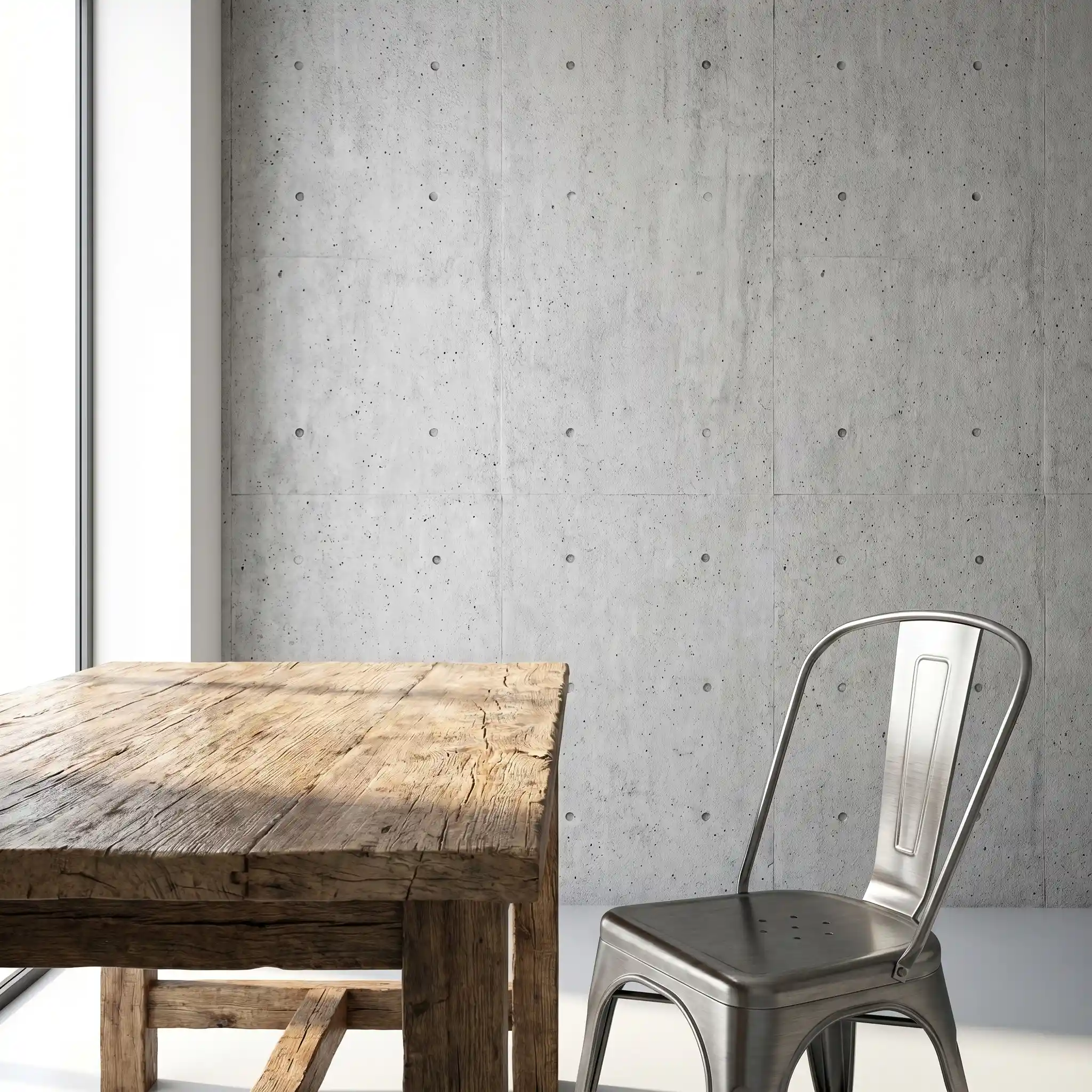
Free PBR Textures for Realistic 3D Rendering
This article covers what PBR textures are, why they matter for realistic rendering, how to choose the right ones, and where to find reliable free and paid resources. We will also walk through practical workflow tips so you can integrate these textures into your projects with confidence.
Others
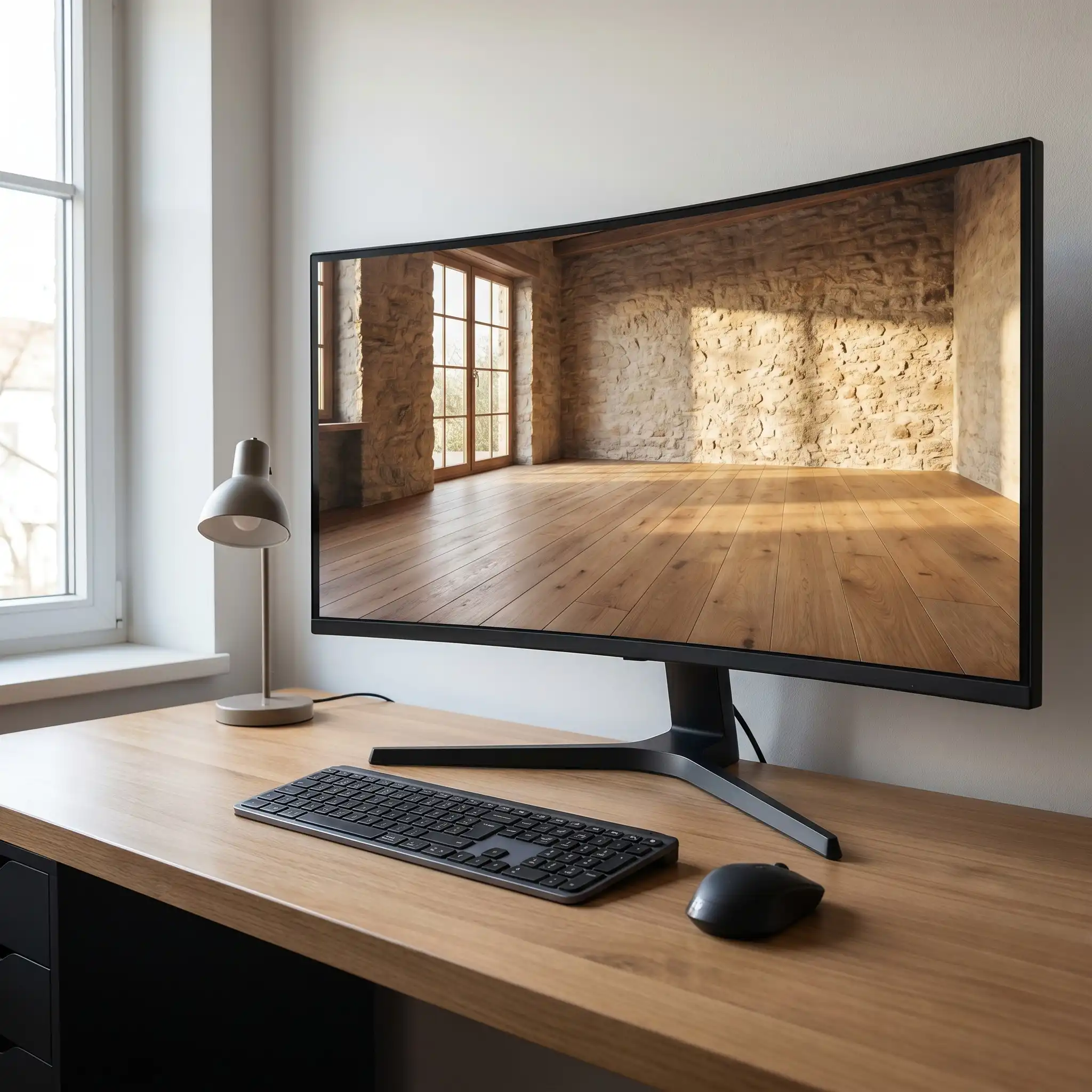
Seamless Textures: Best Free Resources for 3D Artists
Seamless textures enable realistic 3D rendering by tiling without visible seams. Good textures have matching edges, consistent color, and low repetition. Sources include texture libraries, community sites, and marketplaces. Choose based on resolution, realism, maps, and license. Proper scaling and map use improve results.